
Introduction
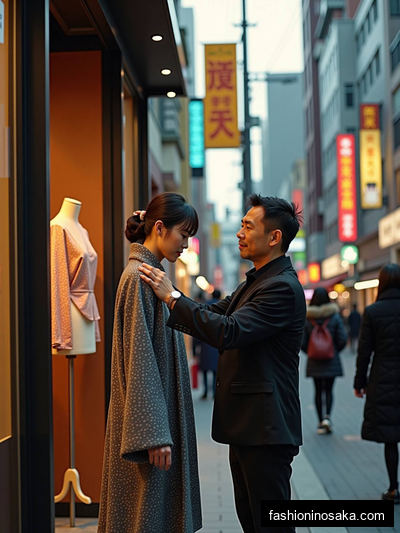
Osaka, Japan's third-largest city, is a burgeoning hub for fashion enthusiasts and designers alike. Known for its dynamic street style and innovative retail concepts, Osaka is rapidly becoming a key player in the global fashion scene. This vibrant metropolis is home to an eclectic mix of traditional and contemporary fashion, making it a fascinating case study for anyone interested in the latest trends and the future of fashion. In this comprehensive exploration, we delve into the heart of Osaka's fashion landscape, uncovering the emerging trends that are setting the city apart on the world stage.
From the bustling streets of Amerikamura, often likened to Tokyo's Harajuku for its youthful vibrancy and eclectic styles, to the high-end boutiques of Umeda, Osaka's fashion scene is diverse and multifaceted. This post will explore the key trends emerging from Osaka, including the rise of sustainable fashion, the blend of traditional Japanese aesthetics with modern designs, the influence of streetwear culture, and the innovative retail experiences that are redefining shopping in the digital age.
While the introduction sets the stage for understanding the allure of Osaka as a fashion hub, delving deeper into its unique fashion scene reveals a tapestry of influences. From the avant-garde designs showcased in the city's annual Fashion Week to the vibrant street styles seen in districts like Shinsaibashi and Amerikamura, Osaka pulsates with creativity and innovation. Fashion enthusiasts flock to this dynamic city not just to witness trends but to participate in a living, breathing fashion ecosystem where tradition meets modernity. The introduction merely scratches the surface of Osaka's sartorial landscape, inviting readers to explore the rich tapestry of fashion subcultures that define this cosmopolitan city.
The Rise of Sustainable Fashion in Osaka
Sustainability is a global trend that has taken root in Osaka's fashion scene with remarkable fervor. Local designers and brands are increasingly focusing on eco-friendly practices, from sourcing sustainable materials to adopting zero-waste production techniques. Brands like Sustaina and Kamawanu are at the forefront, offering fashion that doesn't compromise on style or the environment. Sustaina, in particular, is known for its innovative approach to upcycling, turning pre-loved garments into new, fashionable pieces that appeal to the environmentally conscious consumer.
Moreover, the city's fashion festivals and events are increasingly spotlighting sustainable brands, providing a platform for these pioneers to showcase their commitment to ethical fashion. This shift towards sustainability is not just a trend but a movement, reflecting a deeper change in consumer values towards environmental responsibility and ethical consumption.
One notable aspect of the rise of sustainable fashion in Osaka is the emergence of local designers who prioritize eco-friendly materials and ethical production practices. Brands like Eco Chic and Green Threads have gained popularity for their innovative approaches to creating stylish clothing while minimizing environmental impact. These designers often source materials locally, supporting the community and reducing carbon footprints in the production process. Additionally, Osaka's fashion events now prominently feature sustainable fashion showcases, bringing awareness to the importance of ethical and eco-conscious choices in the industry. The city's fashion enthusiasts are increasingly embracing these sustainable options, signaling a shift towards a more environmentally friendly and socially responsible fashion culture in Osaka.
Blending Tradition with Modernity: The New Wave of Japanese Aesthetics
Osaka's fashion scene is uniquely positioned to fuse traditional Japanese aesthetics with contemporary designs, creating a distinctive style that resonates both locally and globally. Designers like Minä Perhonen and Tsumori Chisato have been instrumental in this movement, their collections often featuring motifs and techniques rooted in Japan's rich cultural heritage while embracing modern silhouettes and fabric technologies. This blend of old and new has captivated the fashion world, offering a fresh perspective on Japanese fashion that goes beyond the stereotypical kimono-inspired looks.
This trend is not only about aesthetics but also about ethos, with many designers drawing on traditional values of craftsmanship and quality. By integrating these principles with modern design thinking, Osaka's fashion scene is creating a new kind of luxury that is both deeply Japanese and universally appealing.
Kyoto, with its rich cultural heritage, exemplifies the harmonious blend of tradition and modernity in Japanese aesthetics. One striking example is the architectural marvel of the Kyoto Station, where the sleek, contemporary design seamlessly integrates with elements inspired by traditional Japanese temples and shrines. This fusion not only showcases the city's respect for its historical roots but also symbolizes its embrace of innovation and progress.
Furthermore, in the realm of art and design, contemporary Japanese artists like Takashi Murakami are redefining traditional motifs like cherry blossoms and koi fish through a modern lens, creating captivating pieces that resonate with audiences worldwide. This artistic evolution reflects a new wave in Japanese aesthetics that celebrates the past while embracing the future, illustrating a dynamic cultural landscape where tradition and modernity coexist in perfect harmony.
The Streetwear Revolution: How Osaka is Redefining Casual Chic
Streetwear, once considered the purview of skate parks and urban subcultures, has taken center stage in Osaka's fashion scene, evolving into a sophisticated and diverse style genre. Brands like Mastermind Japan and Neighborhood have gained international acclaim, their designs embodying the essence of urban cool while incorporating high-quality materials and intricate detailing. This shift has elevated streetwear to the realm of high fashion, with Osaka's designers leading the charge.
The influence of streetwear in Osaka extends beyond clothing to encompass a lifestyle, with fashion intersecting with art, music, and technology. Pop-up shops, street festivals, and collaborations between fashion brands and artists are common, creating a dynamic culture that fuels the continuous evolution of streetwear. This trend reflects a broader change in fashion, where the lines between different style categories are increasingly blurred, giving rise to a more fluid and inclusive definition of what fashion can be.
Osaka's influence on streetwear goes beyond just fashion; it embodies a cultural shift towards embracing comfort and individuality. The city's unique blend of traditional Japanese aesthetics with modern street style has birthed a new wave of casual chic that resonates globally. Brands like Wacko Maria and Visvim, rooted in Osaka's ethos, have gained international acclaim for their innovative designs that blur the lines between high fashion and streetwear.
Moreover, Osaka's street fashion scene is not just about clothing—it's a lifestyle. From the vibrant street markets of Amerikamura to the trendsetting boutiques in Horie, every corner of Osaka exudes a sense of sartorial freedom and creativity. This fusion of diverse influences and bold self-expression is what sets Osaka apart as a trailblazer in redefining the boundaries of casual chic in the world of fashion.
Innovative Retail Experiences: Shopping in the Digital Age
As technology reshapes the retail landscape, Osaka's fashion scene is at the forefront of creating innovative shopping experiences that blend the physical with the digital. Concept stores like Hankyu Men's Osaka and LUCUA 1100 are redefining what it means to shop for fashion, offering spaces that are as much about exploration and experience as they are about purchasing products. These stores often feature interactive displays, digital fitting rooms, and personalized styling services, leveraging technology to create a more engaging and personalized shopping experience.
Furthermore, Osaka's fashion retailers are embracing e-commerce and social media, using these platforms not only to sell products but also to build communities and engage with consumers on a deeper level. This approach reflects a broader trend in retail, where the value of a brand is increasingly defined by its ability to connect with consumers and create meaningful experiences, both online and offline.
In the realm of innovative retail experiences in the digital age, augmented reality (AR) is revolutionizing the way we shop. Imagine trying on clothes virtually from the comfort of your home or visualizing how furniture would look in your living room before making a purchase. Companies like IKEA and Sephora are leveraging AR technology to enhance customer engagement and provide a personalized shopping experience. This seamless integration of digital tools not only simplifies decision-making for consumers but also bridges the gap between online and offline shopping, creating a more interactive and immersive retail environment.
Conclusion
Osaka's fashion scene is a vibrant and dynamic ecosystem, characterized by its willingness to innovate and its ability to seamlessly blend tradition with modernity. The emerging trends from this bustling metropolis—sustainable fashion, the fusion of traditional aesthetics with contemporary design, the evolution of streetwear, and the creation of innovative retail experiences—reflect broader shifts in the global fashion industry. As Osaka continues to carve out its niche on the world stage, it serves as a fascinating case study for anyone interested in the future of fashion.
For fashion enthusiasts, designers, and retailers alike, there are valuable lessons to be learned from Osaka's approach to fashion. Embracing sustainability, valuing craftsmanship, innovating within retail, and fostering a culture of inclusivity and diversity are not just trends but imperatives for the future of fashion. As we look forward, it's clear that Osaka will continue to be a source of inspiration and innovation, pushing the boundaries of what fashion can be and shaping the industry in exciting new ways.
In conclusion, Osaka's fashion scene not only showcases innovation but also embodies a deep-rooted cultural heritage that continues to shape its unique identity. The fusion of traditional Japanese aesthetics with contemporary trends is evident in the meticulous craftsmanship of local designers like Yohji Yamamoto and Issey Miyake. These renowned names have seamlessly blended modern styles with ancient techniques, reflecting Osaka's rich history and forward-thinking approach to fashion. Moreover, the city's bustling street markets and underground boutiques further emphasize its reputation as a trendsetter in the global fashion landscape. As we delve deeper into Osaka's fashion narrative, it becomes apparent that the city's allure lies not only in its avant-garde designs but also in its ability to preserve tradition while embracing the future.