
Introduction
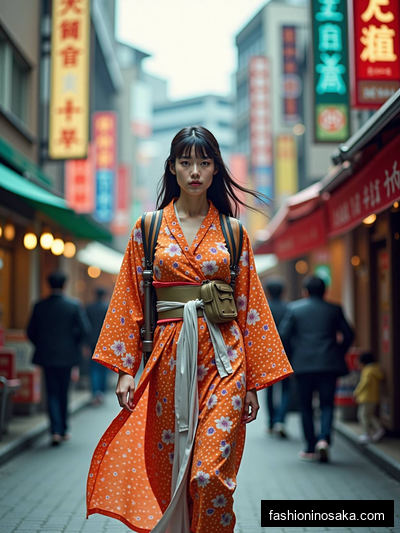
Osaka, Japan's third-largest city, is often overshadowed by the historical richness of Kyoto and the modern allure of Tokyo. Yet, when it comes to street fashion, Osaka emerges as a vibrant, dynamic force that mirrors its eclectic and bold spirit. The evolution of Osaka street fashion is a captivating journey through time, showcasing a unique blend of traditional influences, global trends, and an inherent desire to express individuality. This exploration reveals not just the changing aesthetics of apparel but also provides insights into the cultural shifts and societal trends that have shaped the city's identity over the decades.
From the post-war era to the digital age, Osaka's street fashion has been characterized by its adaptability and innovation. The city's fashion scene has continually evolved, absorbing and reinterpreting elements from abroad while steadfastly maintaining a sense of local authenticity. This blog post delves into the fascinating evolution of Osaka street fashion, highlighting key periods, influential trends, and the figures who have shaped its journey through time.
In this introduction, we delve into the vibrant essence of Osaka, a city often overlooked in favor of its more renowned neighbors. Despite its overshadowed status, Osaka boasts a unique blend of modernity and tradition, evident in iconic landmarks like the bustling Dotonbori district and the historic Osaka Castle. Let's uncover the hidden gems that make Osaka a must-visit destination.
The Post-War Period: The Roots of Rebellion
In the immediate aftermath of World War II, Japan faced a period of reconstruction and re-identification. Osaka, with its bustling markets and growing industries, became a hub for young people seeking to express themselves through fashion. The Amerikamura (American Village) area of Osaka, in particular, became synonymous with the introduction of Western-style clothing into the Japanese wardrobe. Young Osakans, inspired by American soldiers and the influx of Western movies, began to adopt elements such as jeans, leather jackets, and T-shirts into their daily attire. This period marked the beginning of Osaka's street fashion scene, characterized by a rebellious spirit against traditional norms and a burgeoning youth culture.
As Japan emerged from the devastation of World War II, a new generation of disenchanted youth began to question the traditional values and societal norms that had shaped the country's identity. This period saw the rise of rebellious movements like the Beat Generation in literature and the Beatnik subculture, reflecting a growing desire for individual expression and freedom.
The 1980s: The Rise of Subcultures
The 1980s witnessed a remarkable explosion of subcultures within Osaka's fashion landscape. Influenced by music, art, and global fashion movements, diverse groups such as the punk, rockabilly, and hip-hop communities began to emerge. These subcultures adopted distinct styles that not only served as a form of self-expression but also as a way to identify and belong to a community. The punk scene in Osaka, for example, was not just about the music but also about a distinct aesthetic that included ripped jeans, band T-shirts, and customized leather jackets. This era also saw the rise of designer fashion in Osaka, with local designers gaining recognition for their innovative approaches to traditional Japanese garments and techniques.
One notable subculture that thrived in the 1980s was the Harajuku street fashion scene in Tokyo, characterized by its bold colors and eclectic mix of styles. This movement not only influenced the Japanese youth but also gained international recognition, shaping the global fashion landscape. Additionally, the emergence of punk and new wave subcultures in London and New York during this era further diversified the cultural tapestry of the 1980s.
The 2000s: The Harajuku Influence and the Gyaru Movement
While Tokyo's Harajuku district is often credited with being the epicenter of Japanese street fashion, Osaka's interpretation of these trends added a distinct flair that set it apart. The early 2000s in Osaka saw the adoption and adaptation of the Kawaii culture and Gyaru fashion, which emphasized cute, girlish aesthetics and glamorous, over-the-top styles, respectively. Shops in areas such as Shinsaibashi and Namba began to cater to these trends, offering a plethora of options for young people looking to emulate these styles. The Gyaru movement, in particular, showcased Osaka's penchant for blending the cute with the glamorous, featuring heavily accessorized outfits, exaggerated hairstyles, and bold makeup looks. This period solidified Osaka's reputation as a city unafraid to push the boundaries of fashion and self-expression.
The 2000s marked a significant era for Japanese street fashion, where the Harajuku Influence and the Gyaru Movement thrived in Tokyo's vibrant fashion scene. This period saw the rise of unique styles like Decora, characterized by colorful, eclectic accessories and layering, influencing global fashion trends with its bold and playful aesthetic.
The 2010s and Beyond: A Melting Pot of Influences
The advent of social media and global connectivity has had a profound impact on Osaka street fashion in the 2010s and beyond. Influences from around the world are now more accessible than ever, leading to a rich tapestry of styles that coexist and evolve together. Streetwear, in particular, has seen a significant rise in popularity, with local brands and designers gaining international acclaim. This era is characterized by a mix of high and low fashion, where vintage stores, designer boutiques, and streetwear shops blend seamlessly together in districts like Horie and Amerikamura. Sustainability and ethical fashion have also become important themes, with a growing number of consumers and designers in Osaka prioritizing eco-friendly materials and practices. This period highlights the city's ability to adapt to global trends while maintaining a strong sense of local identity and community.
As we delve deeper into the 2010s and beyond, the fusion of cultures and styles continues to shape the fashion landscape. From the rise of K-pop influencing streetwear trends to the resurgence of vintage fashion inspired by iconic TV shows like "Stranger Things," it's evident that this era is a melting pot of diverse influences. Brands and designers are embracing this cultural blend, creating dynamic and eclectic collections that reflect the spirit of our interconnected world.
Conclusion
The evolution of Osaka street fashion is a testament to the city's vibrant spirit and its inhabitants' unwavering desire to express their individuality. From the post-war period to the digital age, Osaka has navigated the changing tides of fashion with resilience and creativity. Each era brought with it new influences and trends, but the city's fashion scene has remained rooted in a sense of community and self-expression. As we look to the future, it is clear that Osaka will continue to be a dynamic force in the world of street fashion, embracing global influences while nurturing its unique style and identity.
For fashion enthusiasts and observers alike, the journey of Osaka street fashion offers valuable insights into the power of clothing as a form of cultural expression. It serves as a reminder that fashion is not just about trends and labels, but about the stories we tell and the identities we craft through what we wear. As Osaka's fashion scene continues to evolve, it will undoubtedly remain a fascinating subject of study and admiration for years to come.
In conclusion, the Osaka street fashion scene not only reflects the city's vibrant spirit but also serves as a platform for self-expression and creativity among its residents. From the eclectic mix of styles seen in Shinsaibashi to the avant-garde fashion statements in Harajuku, it's evident that fashion in Osaka is a dynamic and ever-evolving cultural phenomenon.