
Introduction
Osaka, Japan’s third-largest city, is a bustling metropolis known for its modern architecture, vibrant nightlife, and delectable street food. However, beneath its urban exterior lies a thriving culture of craftsmanship and design that often goes unnoticed by the casual observer. This blog post delves into the world of Osaka's designers, exploring the meticulous craftsmanship, innovative techniques, and the unique blend of traditional and contemporary influences that define Osaka's design scene. By uncovering the stories behind the seams, we aim to provide an in-depth look at the city’s creative undercurrent and celebrate the artisans who contribute to its rich tapestry of design.
In this introductory glimpse of Osaka, Japan, we scratch the surface of its allure as a modern marvel. From the iconic Umeda Sky Building offering panoramic views to the vibrant Dotonbori district with its neon-lit streets, Osaka beckons visitors with a blend of traditional charm and contemporary excitement.
The Heart of Craftsmanship in Osaka
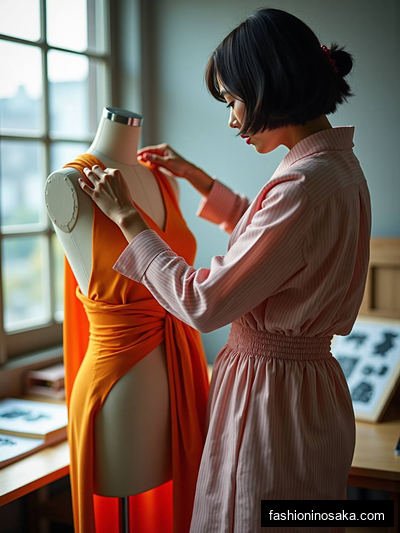
Osaka's design landscape is a testament to the city's rich history of craftsmanship. From the intricate patterns of traditional kimonos to the sleek lines of modern furniture, the attention to detail is evident in every creation. Local artisans, such as the renowned textile designers at Naniwa Textile Manufacturing, continue to employ centuries-old techniques to produce fabrics that are not only beautiful but also tell the story of Osaka's cultural heritage. Meanwhile, contemporary designers like Yusuke Seki showcase the potential of combining traditional craftsmanship with modern design principles, creating spaces and products that resonate with a global audience.
The city's commitment to craftsmanship is also evident in its support for emerging designers. Initiatives like the Osaka Design Center offer resources and platforms for young talents to showcase their work, fostering a community of designers who are not afraid to experiment and push boundaries. This nurturing environment allows for a vibrant exchange of ideas and techniques, ensuring that the tradition of craftsmanship continues to evolve and thrive in the modern age.
Delve deeper into Osaka's craftsmanship by exploring the ancient art of Japanese sword-making, known as "Tameshigiri." Witness skilled artisans meticulously forging blades with a centuries-old tradition that embodies the essence of precision and dedication to craftsmanship.
Innovative Techniques and Materials
Osaka's designers are not only masters of traditional techniques but are also pioneers in the use of innovative materials and technologies. For instance, the use of recycled materials in fashion and product design is gaining traction, as seen in the work of brands like Minä Perhonen, which integrates eco-friendly practices into its design philosophy. Similarly, advancements in 3D printing and digital fabrication are opening up new possibilities for customization and efficiency in design production, as exemplified by the work of designer Ryota Akiyama, who utilizes these technologies to create bespoke furniture pieces.
Moreover, the exploration of unconventional materials is another avenue through which Osaka's designers are expanding the boundaries of traditional craftsmanship. From utilizing washi paper in innovative ways to incorporating bamboo and other natural materials into contemporary designs, these creators are redefining what is possible in the realm of design and craftsmanship.
One notable example of innovative techniques and materials in modern design is the use of sustainable and eco-friendly materials such as bamboo fibers and recycled plastics. These materials not only contribute to a more sustainable future but also showcase the creativity and forward-thinking mindset of designers.
The Fusion of Traditional and Contemporary Influences
One of the most distinctive aspects of Osaka's design scene is the seamless integration of traditional and contemporary influences. This fusion is not merely about aesthetics but also reflects a deeper respect for heritage while embracing the challenges and opportunities of the present. Designers like Hiroshi Fujiwara are at the forefront of this movement, blending elements of traditional Japanese aesthetics with modern street culture to create fashion and products that resonate across cultures and generations.
This blend of old and new is also evident in the architectural landscape of Osaka, where historic structures coexist with cutting-edge buildings. Architects such as Tadao Ando have masterfully incorporated elements of traditional Japanese design into modern architectural works, creating spaces that are both innovative and deeply rooted in cultural heritage. This approach not only preserves the past but also ensures that traditional techniques and aesthetics continue to influence and enrich the future of design in Osaka.
The fusion of traditional and contemporary influences in Osaka's design landscape can be seen in the innovative architectural structures that beautifully blend ancient Japanese aesthetics with modern functionality. For instance, the iconic Umeda Sky Building showcases this harmonious blend through its striking modern design juxtaposed against traditional elements like wooden lattice patterns.
Challenges and Opportunities
Despite the vibrancy of Osaka's design scene, designers face challenges such as global competition and the need for sustainability. However, these challenges also present opportunities for growth and innovation. The city's designers are increasingly focusing on sustainable practices, recognizing the importance of environmentally friendly design in addressing global issues. Furthermore, the international interest in Japanese culture and design provides a platform for Osaka's designers to showcase their work on a global stage, leveraging traditional craftsmanship in ways that appeal to contemporary sensibilities.
Additionally, the collaborative spirit within the design community in Osaka fosters an environment where challenges are met with collective creativity and innovation. Through events, exhibitions, and collaborations, designers exchange knowledge and skills, pushing each other to explore new techniques and concepts. This communal approach not only strengthens the local design ecosystem but also positions Osaka as a significant player in the global design landscape.
In navigating the dynamic landscape of Osaka's design industry, professionals encounter the challenge of balancing traditional craftsmanship with modern technology. Embracing this juxtaposition presents an opportunity for innovative creations that seamlessly blend heritage with contemporary aesthetics.
Conclusion
The design scene in Osaka is a dynamic blend of tradition and innovation, characterized by a deep respect for craftsmanship and a forward-thinking approach to design. By exploring the work of Osaka's designers, we uncover not only the beauty and intricacy of their creations but also the cultural significance and potential for future innovation that these designs hold. As the city continues to nurture its design talent and foster a community of creativity and collaboration, Osaka's designers are set to make an even more significant impact on the global stage, proudly carrying forward the legacy of Japanese craftsmanship while pushing the boundaries of design into new and exciting territories.
For those interested in design, culture, or simply looking for inspiration, the craftsmanship and innovation found in Osaka offer a compelling glimpse into the potential of blending heritage with modernity. As we continue to explore and celebrate the contributions of designers from around the world, the story of Osaka's designers reminds us of the power of creativity to connect the past, present, and future in ways that are both meaningful and transformative.
In conclusion, the design landscape in Osaka reflects a harmonious coexistence of traditional craftsmanship and cutting-edge creativity. This fusion is evident in architectural marvels like the Umeda Sky Building, where modernity meets heritage seamlessly, embodying the city's ethos of honoring the past while embracing the future.